
Mark Master Masons

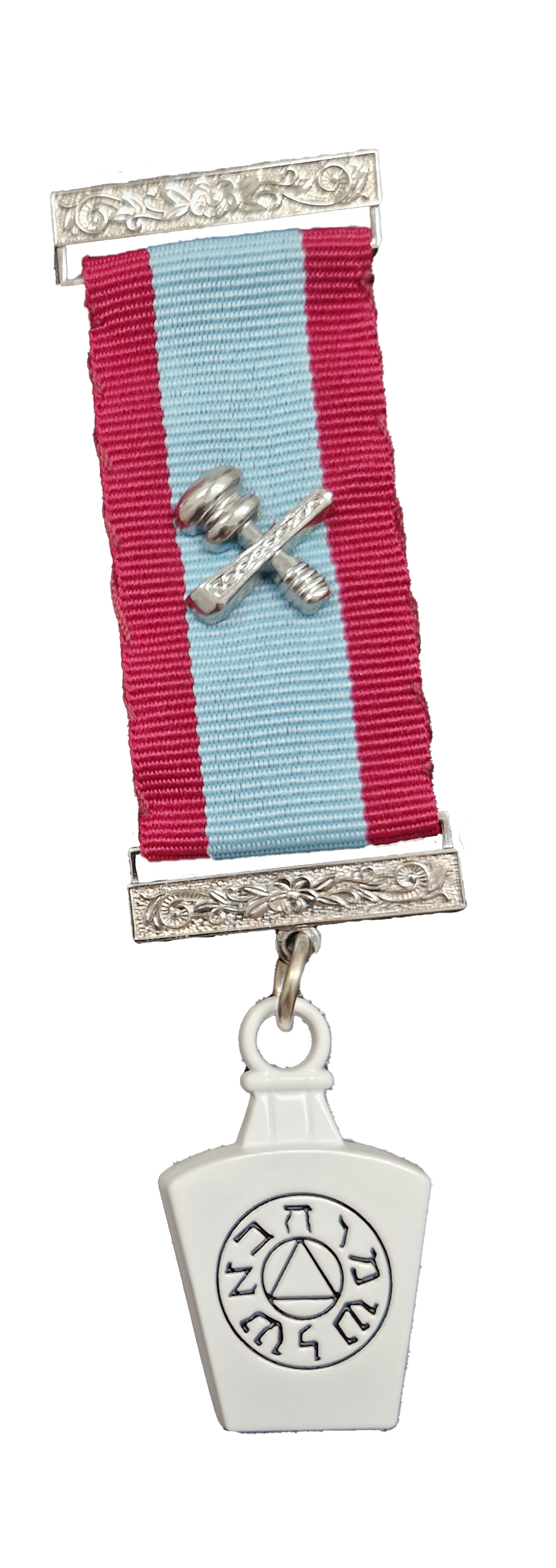
The Degree of Mark Master Mason is open to all Master Masons. The ceremony, in which a Brother is 'advanced', comprises two parts: the first in which the Candidate is acknowledged as a Mark Man, followed by the second where he becomes a Mark Master Mason. The Mark referred to in its title takes its name from the mark or symbol with which the stonemason identified his work and historic examples can still be found in many cathedrals and important buildings. Much use is made of Holy Writ to instruct the Candidate in the story, the real message of which is one of contemplation of human strengths and weaknesses. In chronological terms the Degree follows that of the Second Degree in Craft masonry. There is reputedly some evidence that the Degree is 400 years old, but the earliest English records stem from 1769 when it was first worked in Chapter of Friendship, Royal Arch Chapter No. 257 (formerly No. 3) in Portsmouth. However, a minute book dated 1599 of the Lodge of Edinburgh (Mary’s Chapel) No. 1 states that several speculative brethren had appended their Marks after their names. The first meeting of the Grand Lodge of Mark Master Masons of England and Wales was held on Monday, 23 June 1856. The ordinary members' regalia comprises an apron and breast jewel. The apron is of white kid with a triangular flap bordered with a two inch ribbon of light blue with crimson edges. It has rosettes of the same colour whilst Masters and Past Masters have the rosettes replaced with silver levels. The jewel of the order is a key stone appended to a ribbon which matches the apron and bears a mallet and chisel, which are the tools of the Order. The key stone, which bears certain characters, forms an integral part of the ceremony.
Meet our Rulers

M.W.Bro. His Royal Highness Prince Michael of Kent, GCVO
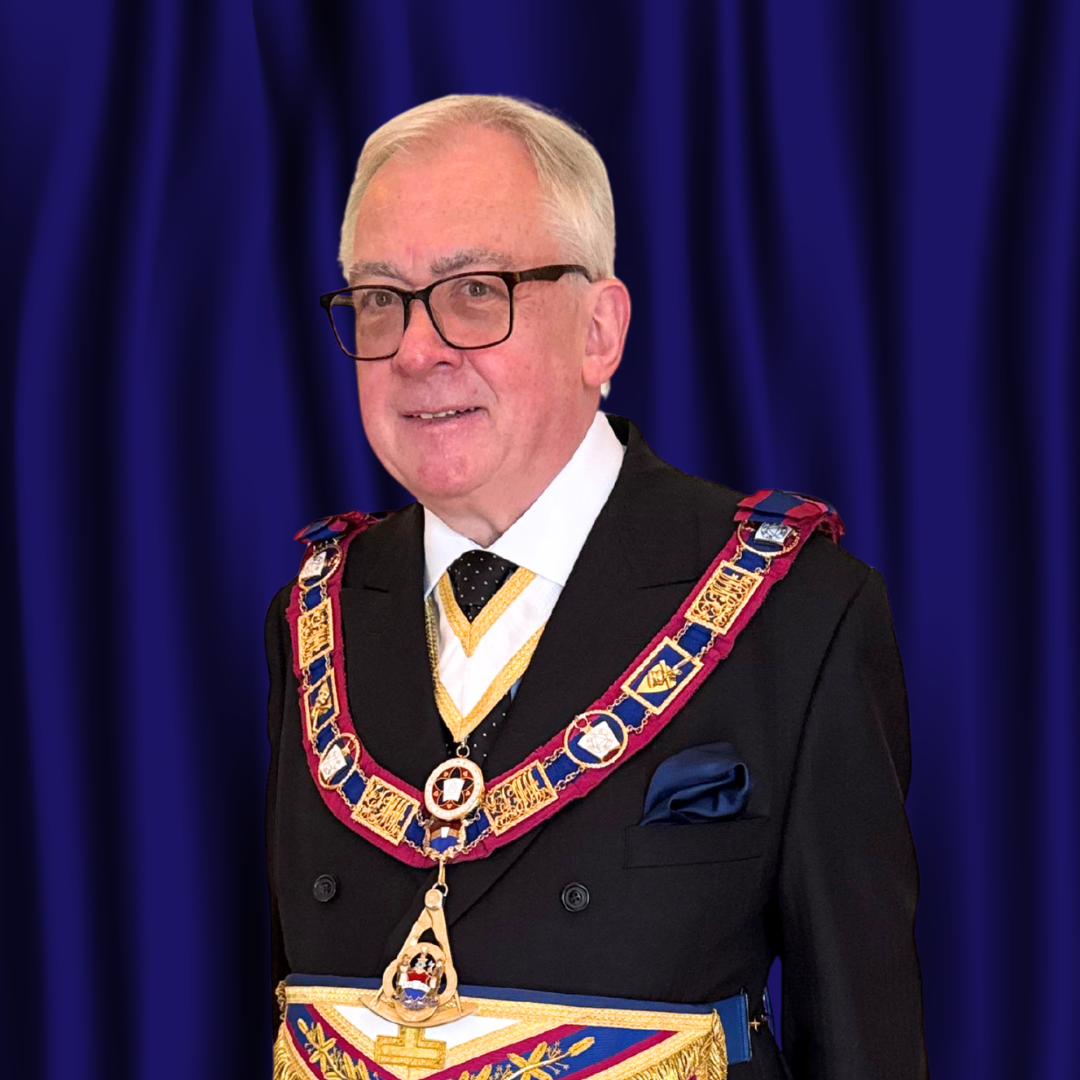
M.W.Bro. Paul R. Clement, OStJ

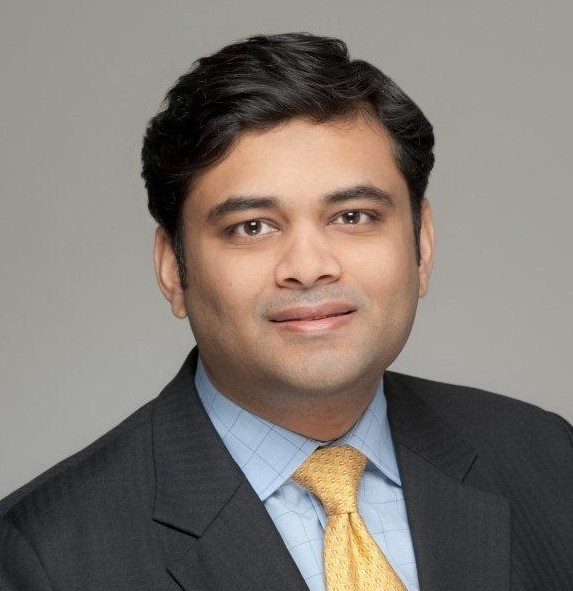
R.W.Bro. Prof Denovan K. Wilson

R.W.Bro. Peter D. Williams
It centres on the traditional practice of choosing and using a distinguishing mark to identify each craftsman’s work, so that he may be entitled to receive his wages. The themes of the degree include regularity, diligence and discipline. The second degree of Freemasonry encourages learning, and the Mark degree instructs how that learning can be most usefully and judiciously employed for our own honour and the benefit of our fellow man. While motives may sometimes be misinterpreted, attainments underrated and reputations traduced, the Mark degree demonstrates the merits of persistence in the face of adversity, and the conviction that truth will prevail. The Mark degree is one of hope and encouragement. The ritual is built around a single verse from Psalm 118: “The stone which the builders refused is become the headstone of the corner”. It deals with the building of King Solomon’s Temple and the various Craftsmen employed, but the real message is the contemplation of human strength and weakness. The regalia of the Mark Degree includes a special Masonic apron with dark red and blue trim and a breast jewel showing the keystone. Mark Lodges also have a special coin, known as a Mark penny, for the payment of wages. Click on the images to buy the Jewels.
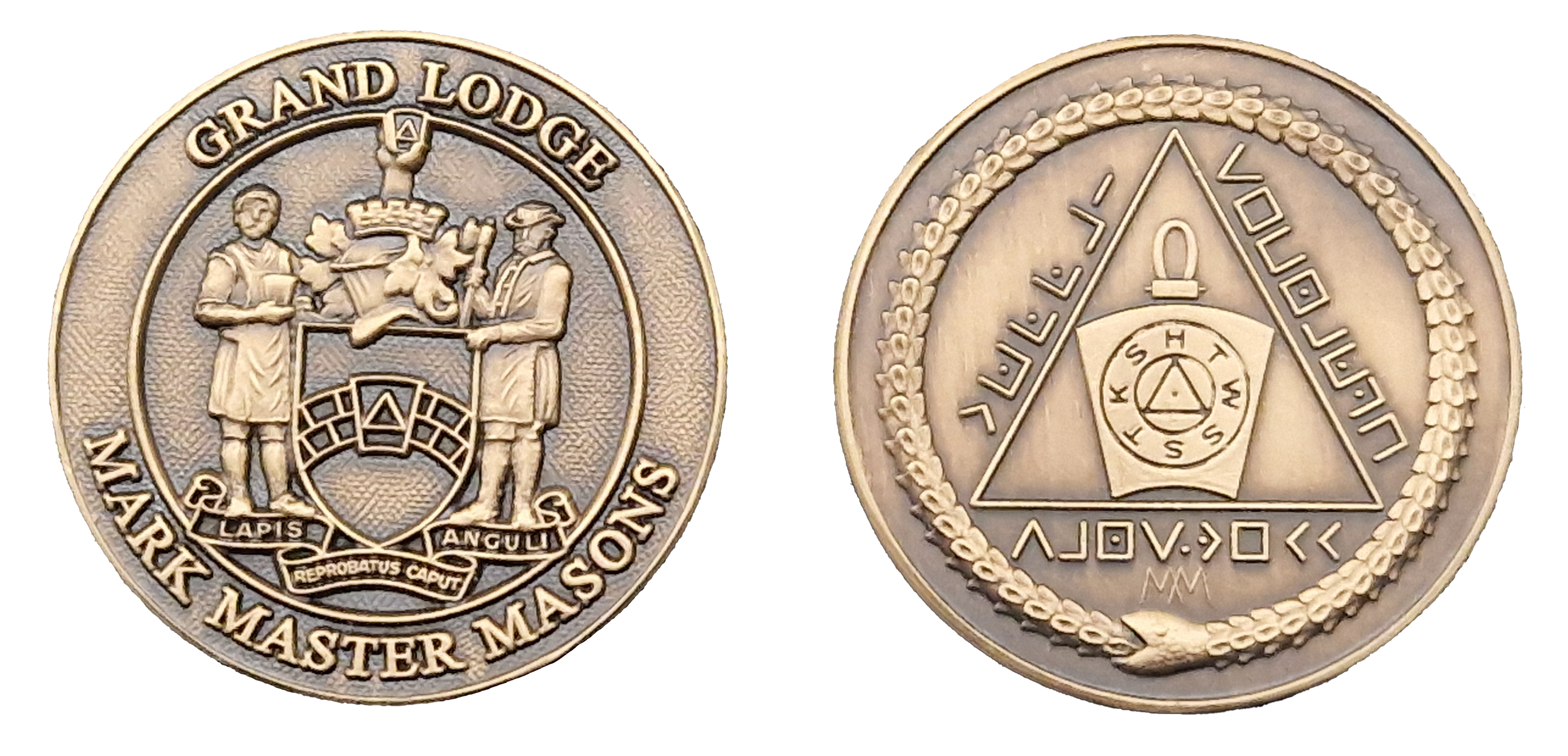
On occasion a lecture is given using a tracing board, which contains symbols from which lessons can be drawn.
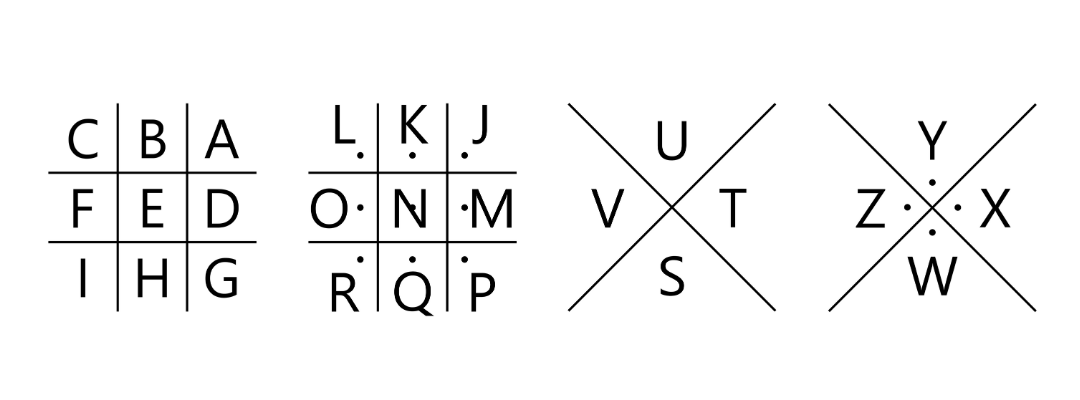
The tracing board includes the method of decoding the Masonic cipher which was originally used to preserve the secrecy of minutes and also other writing in Freemasonry.
The decoding clue is based upon the lines used in the game “noughts and crosses”.
The Ceremony of Advancement allows full entry to all Master Masons of four or more weeks standing, with access to the “ladder” leading to the Chair of Adoniram. There are more Offices in the progression than in Craft Masonry, but with only one Ceremony to learn, and that being of a less onerous nature than those of other Degrees, Brethren find the efforts more pleasant, and the results more readily achievable. This may be why the basis of the Degree has always been considered a “happy” one! Candidates never fail to say how agreeable they found the experience. Having completed the year as Master, Provincial Grand rank is usually awarded after a further three years, with Grand Rank available to the industrious.


Latest News Updates
Experience the last Grand Lodge Meeting
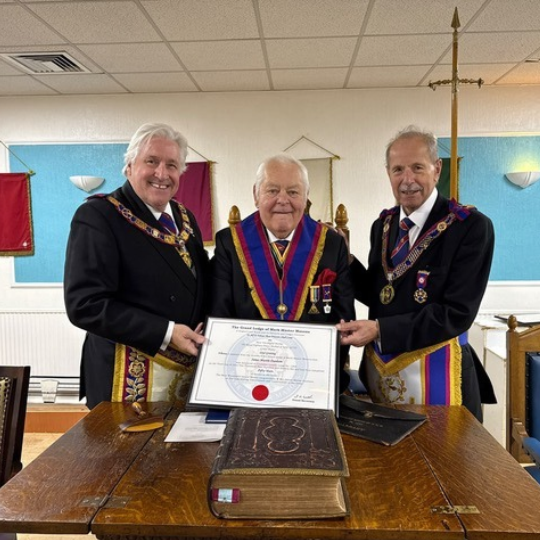
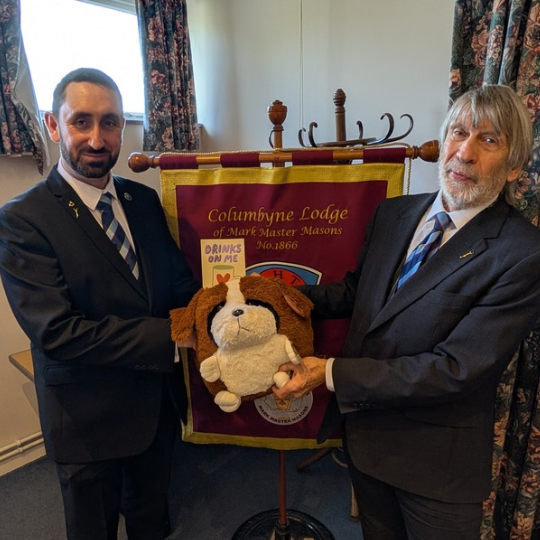
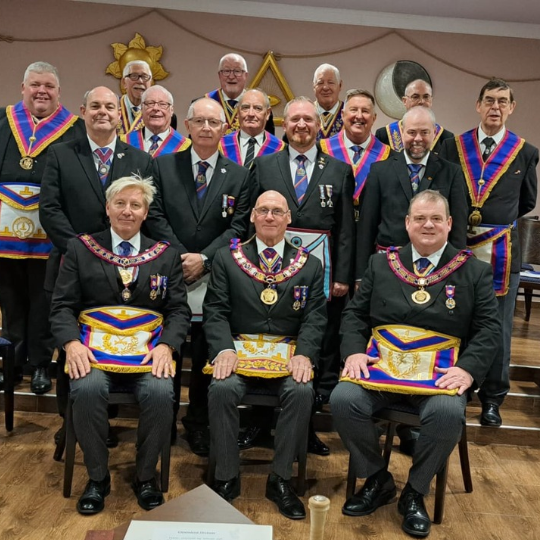
It was a great pleasure to return to Freemasons’ Hall for the September Communication of Mark Grand Lodge, attended by recipients, supporters, and Provincial and District representatives despite transport disruption. The meeting was presided over by R.W.Bro. Keith Emmerson, supported by senior Grand Lodge officers. Following the formal business, the President of the Mark Benevolent Fund reported on grants awarded since June. Notice was given of a proposal to re-elect HRH Prince Michael of Kent as Grand Master in March 2026. R.W.Bro. Prof. Denovan Keith Wilson was installed as Deputy Grand Master, and R.W.Bro. Peter David Williams as Assistant Grand Master. Promotions were then awarded, including to W. Bro. Geoffrey William Hawkins, approaching his 100th birthday. The Presiding Officer conveyed greetings from the Grand Master and Pro Grand Master, thanked the staff and ceremonial team, and highlighted the day’s achievements. The meeting concluded with thanks to all attendees and congratulations to those promoted for making the occasion so special.